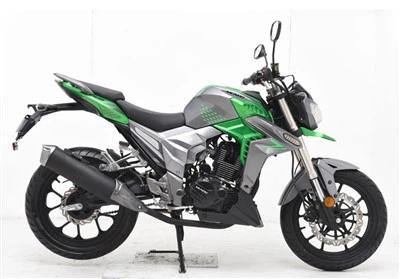
As a trusted supplier of the E2-250GY, I've witnessed firsthand the importance of maintaining the electrical system of this remarkable vehicle. Electrical problems can be a headache, but with the right knowledge and approach, they can be effectively troubleshooted. In this blog post, I'll share some valuable insights on how to troubleshoot electrical problems in the E2-250GY.
Understanding the Electrical System of the E2-250GY
Before diving into troubleshooting, it's essential to have a basic understanding of the electrical system in the E2-250GY. The electrical system consists of several components, including the battery, alternator, wiring harness, fuses, and various electrical devices such as lights, ignition system, and sensors. Each component plays a crucial role in the proper functioning of the vehicle.
The battery is the heart of the electrical system, providing the necessary power to start the engine and operate the electrical devices. The alternator, on the other hand, charges the battery while the engine is running. The wiring harness connects all the electrical components, allowing the flow of electricity. Fuses are designed to protect the electrical system from overloading by breaking the circuit when there is an excessive current.
Common Electrical Problems in the E2-250GY
Now that we have a basic understanding of the electrical system, let's take a look at some common electrical problems that you may encounter in the E2-250GY:
1. Dead Battery
A dead battery is one of the most common electrical problems. It can be caused by a variety of factors, such as leaving the lights on, a faulty alternator, or a battery that has reached the end of its lifespan. If your battery is dead, you may notice that the engine won't start, the lights are dim, or the electrical devices are not working properly.
2. Blown Fuses
Blown fuses are another common problem. Fuses can blow due to a short circuit or an overloaded electrical circuit. When a fuse blows, it breaks the circuit, preventing the flow of electricity to the affected component. You may notice that a particular electrical device, such as a light or a radio, stops working.
3. Faulty Alternator
A faulty alternator can cause the battery to drain quickly. If the alternator is not charging the battery properly, the battery will eventually run out of power. You may notice that the battery warning light on the dashboard is illuminated, or the lights are dimming while the engine is running.
4. Wiring Issues
Wiring issues can also cause electrical problems. Loose connections, damaged wires, or corroded terminals can disrupt the flow of electricity. You may notice that the electrical devices are not working properly, or there are intermittent electrical problems.
Troubleshooting Electrical Problems in the E2-250GY
Now that we know the common electrical problems, let's discuss how to troubleshoot them:
1. Check the Battery
The first step in troubleshooting electrical problems is to check the battery. Start by visually inspecting the battery for any signs of damage, such as cracks or leaks. Then, use a voltmeter to measure the battery voltage. A fully charged battery should have a voltage of around 12.6 volts. If the voltage is significantly lower, the battery may be dead or in need of charging.
If the battery is dead, you can try jump-starting the vehicle using another vehicle's battery. Make sure to follow the proper jump-starting procedures to avoid damaging the electrical system. If the battery is not holding a charge, it may need to be replaced.
2. Check the Fuses
Next, check the fuses. Locate the fuse box in the E2-250GY, which is usually located under the dashboard or in the engine compartment. Refer to the owner's manual to find the specific fuse for the affected electrical device. Use a fuse tester or a multimeter to check if the fuse is blown. If the fuse is blown, replace it with a new fuse of the same amperage.
3. Check the Alternator
To check the alternator, start the engine and use a voltmeter to measure the voltage at the battery terminals. The voltage should be between 13.5 and 14.5 volts. If the voltage is lower than this range, the alternator may not be charging the battery properly. You can also have the alternator tested at a professional auto repair shop.
4. Check the Wiring
Inspect the wiring harness for any signs of damage, such as frayed wires, loose connections, or corroded terminals. If you find any damaged wires, repair or replace them. Make sure all the connections are tight and secure. You can also use a wiring diagram to help you identify the correct wires and connections.
Additional Tips for Troubleshooting Electrical Problems
Here are some additional tips to help you troubleshoot electrical problems in the E2-250GY:
- Use a Multimeter: A multimeter is a valuable tool for troubleshooting electrical problems. It can be used to measure voltage, current, and resistance. Make sure to use the multimeter correctly and follow the manufacturer's instructions.
- Refer to the Owner's Manual: The owner's manual contains valuable information about the electrical system of the E2-250GY. It provides detailed instructions on how to troubleshoot electrical problems and replace components. Make sure to refer to the owner's manual before attempting any repairs.
- Seek Professional Help: If you are not comfortable troubleshooting electrical problems on your own, it's best to seek professional help. A qualified auto mechanic can diagnose and repair electrical problems quickly and efficiently.
Related Products
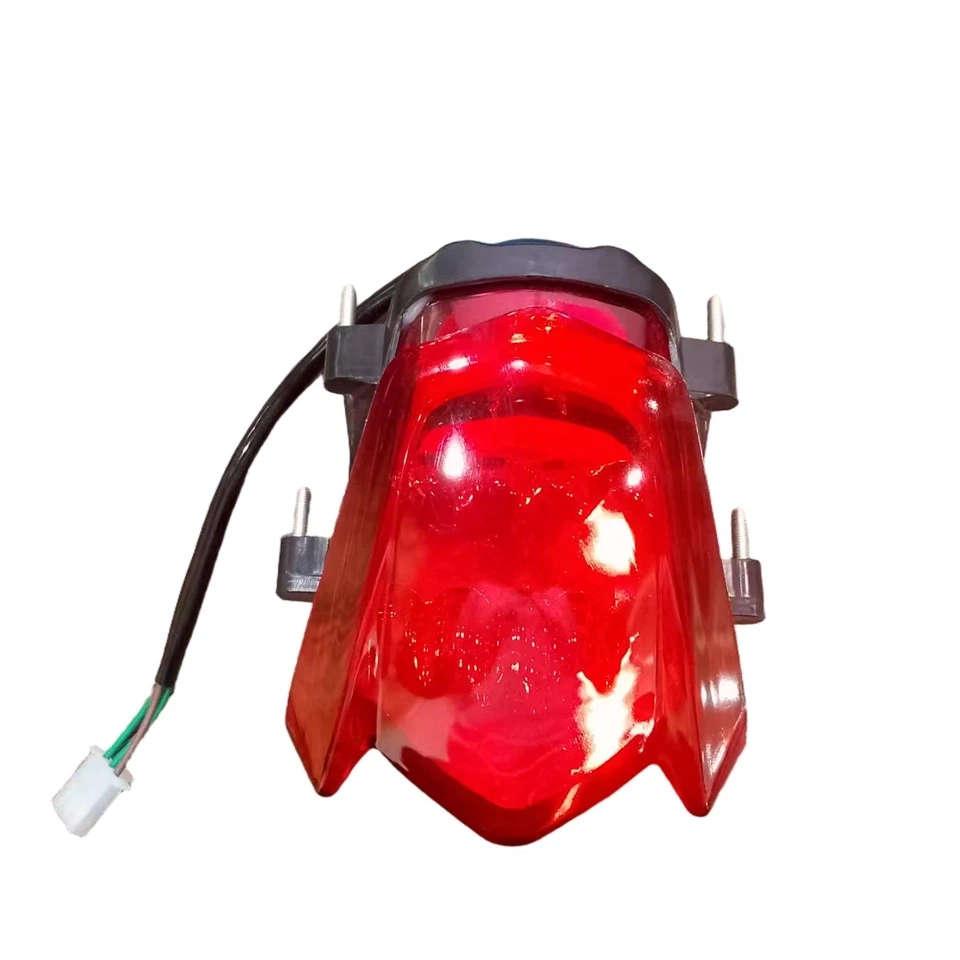
If you are looking for replacement parts for your E2-250GY, we offer a wide range of high-quality products. Here are some related products that you may be interested in:
Contact Us for Procurement
If you have any questions or need further assistance with troubleshooting electrical problems in the E2-250GY, or if you are interested in purchasing replacement parts, please feel free to contact us. We are here to help you ensure the optimal performance of your E2-250GY.
References
- Automotive Electrical Systems Handbook
- E2-250GY Owner's Manual