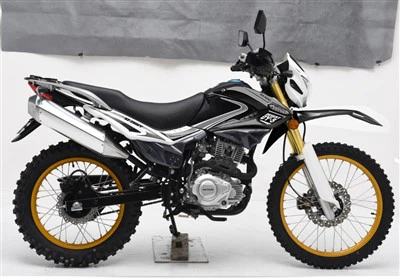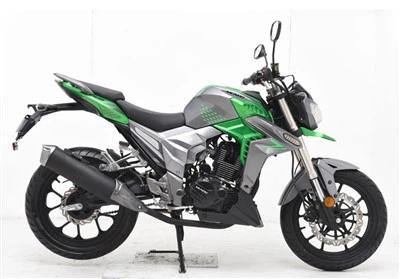
Hey there! I'm a supplier of Bulk F1 - 150, and today I wanna chat about one of the most crucial aspects of these vehicles: the payload capacity.
First off, let's understand what payload capacity is. In simple terms, it's the maximum weight that a vehicle can carry in terms of passengers, cargo, and any other stuff you might throw in there. For us Bulk F1 - 150 suppliers, it's super important because it directly impacts the vehicle's usability and value for our customers.
The payload capacity of the Bulk F1 - 150 can vary depending on a few different factors. One of the main things that affects it is the configuration of the vehicle. For example, if you've got a model with a bigger engine, it might be able to handle a heavier load. Also, the type of suspension system and the size of the wheels can play a role.
Let's dig a bit deeper into the numbers. On average, a standard Bulk F1 - 150 has a payload capacity that ranges from around 1,500 to 2,500 pounds. This is a pretty decent amount, and it makes the F1 - 150 a great choice for a wide variety of tasks. Whether you're a contractor who needs to haul building materials like lumber, bricks, or cement bags to a job site, or you're a farmer transporting hay bales and livestock feed, the F1 - 150 can get the job done.
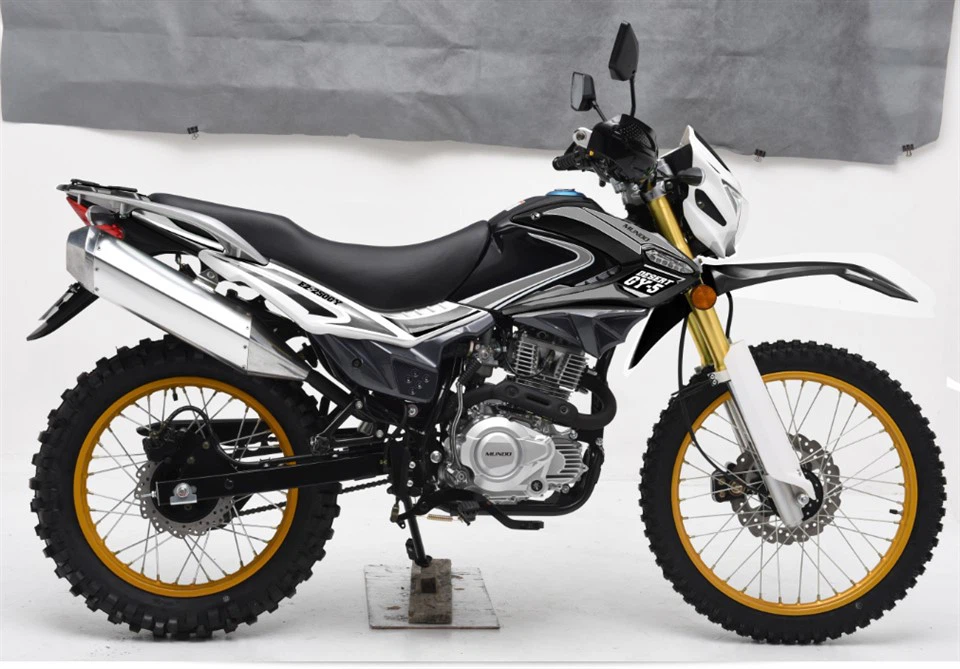

But here's the thing, if you need even more payload capacity, you can look into some of the upgraded models. These special versions are designed with stronger frames, more robust suspension, and other enhancements that allow them to carry heavier loads. Some of the high - end Bulk F1 - 150 models can have a payload capacity of up to 3,000 pounds or even more in some cases.
Now, I know you might be thinking, "How do I know if the Bulk F1 - 150's payload capacity is right for my needs?" Well, it's all about assessing your typical hauling requirements. Make a list of the heaviest items you usually need to transport and add up their weights. Then, compare that total to the payload capacity of the F1 - 150 models we offer.
It's also important to note that hitting the maximum payload capacity isn't always a good idea in the long run. Overloading a vehicle can lead to a whole bunch of problems, like increased wear and tear on the engine, transmission, and brakes. It can also affect the vehicle's handling and safety. So, it's usually a good rule of thumb to leave a little bit of wiggle room and not push the vehicle to its absolute limit every time.
When it comes to our Bulk F1 - 150 inventory, we've got a great selection of different models to choose from. You can get in touch with us to find out more about the specific payload capacities of each one. And if you're not sure which model is the best fit for you, our team of experts is here to help. We've been in the business for a long time, and we know all the ins and outs of these vehicles.
If you're looking for some other options in the same category, we also deal with a few related models like the R3 - 250, E2 - 250GY, and A1 - 150. These vehicles also come with their own unique features and payload capacities, so it's worth checking them out if you're in the market for a reliable hauling vehicle.
In conclusion, the payload capacity of the Bulk F1 - 150 is one of its standout features. It offers a good balance between being able to carry a decent amount of weight and still having a vehicle that's easy to handle and fuel - efficient. Whether you're a small business owner, a DIY enthusiast, or someone who just needs a reliable truck for personal use, the F1 - 150 is definitely worth considering.
If you're interested in learning more about our Bulk F1 - 150 vehicles or any of the other models we offer, don't hesitate to reach out. We're here to answer all your questions and help you make the best decision for your hauling needs. Let's have a chat and see how we can work together to get you the right vehicle for your situation.
References
- General automotive industry knowledge regarding payload capacities and vehicle configurations.
- Experience from being a Bulk F1 - 150 supplier.