

As a long - standing supplier of the F1 - 150, I've received numerous inquiries about the maximum speed of this remarkable vehicle. The F1 - 150 is a well - known and highly regarded model in the automotive market, and understanding its top - end performance is crucial for both enthusiasts and potential buyers.
Understanding the F1 - 150
The F1 - 150 is engineered with a combination of cutting - edge technology, high - performance components, and a robust design. It has been a staple in the lineup of trucks, offering a balance between power, durability, and functionality. Different generations and configurations of the F1 - 150 have different characteristics, which directly influence its maximum speed.
Let's first look at the engine, which is the heart of any vehicle. The F1 - 150 comes with a variety of engine options. For instance, some models are equipped with a powerful V8 engine. A V8 engine typically provides a large amount of torque and horsepower, which are essential for achieving high speeds. Torque is what allows the vehicle to accelerate quickly from a standstill, while horsepower determines how fast the vehicle can go once it's in motion.
In addition to the engine, the transmission system also plays a significant role. A modern automatic transmission in the F1 - 150 is designed to shift smoothly and efficiently, allowing the engine to operate at its optimal RPM (revolutions per minute) range. This not only improves fuel efficiency but also contributes to the overall performance, including the maximum speed.
Factors Affecting the Maximum Speed
However, the maximum speed of the F1 - 150 is not solely determined by its engine and transmission. There are several other factors that come into play.
One of the most significant factors is aerodynamics. The shape of the F1 - 150, although designed for practicality and durability, can create air resistance at high speeds. Air resistance increases exponentially as the speed of the vehicle rises. To counter this, the F1 - 150 has some aerodynamic features, such as a streamlined front grille and carefully designed body contours. But compared to a sports car, the F1 - 150's shape is more boxy, which limits its ability to cut through the air at extremely high speeds.
The weight of the vehicle is another crucial factor. The F1 - 150 is a relatively heavy truck, especially when fully loaded. A heavier vehicle requires more power to accelerate and maintain high speeds. The engine has to work harder to overcome the inertia of the mass, which can reduce the maximum achievable speed.
Tire specifications also matter. The type of tires, their tread pattern, and their load - carrying capacity all affect the vehicle's performance at high speeds. High - performance tires are designed to provide better grip and handling at high velocities, which is essential for safety and stability when the F1 - 150 is pushing its speed limits.
What is the Real - World Maximum Speed?
In a real - world scenario, the maximum speed of the F1 - 150 is typically limited by several factors, including safety regulations and the vehicle's design. Most modern F1 - 150 models have an electronically limited top speed. This is done for safety reasons, as driving a large truck at extremely high speeds can be extremely dangerous.
Typically, the maximum speed of a stock F1 - 150 is around 100 - 120 miles per hour (160 - 193 kilometers per hour). However, this can vary depending on the specific model, engine type, and configuration. For example, a F1 - 150 with a more powerful engine and a lighter payload may be able to reach the upper end of this speed range, while a fully - loaded work - truck version may be closer to the lower end.
It's important to note that driving a vehicle at its maximum speed is not only dangerous but also illegal in most areas. Speed limits are in place to ensure the safety of all road users, and exceeding them can lead to serious accidents and legal consequences.
Comparing with Other Models
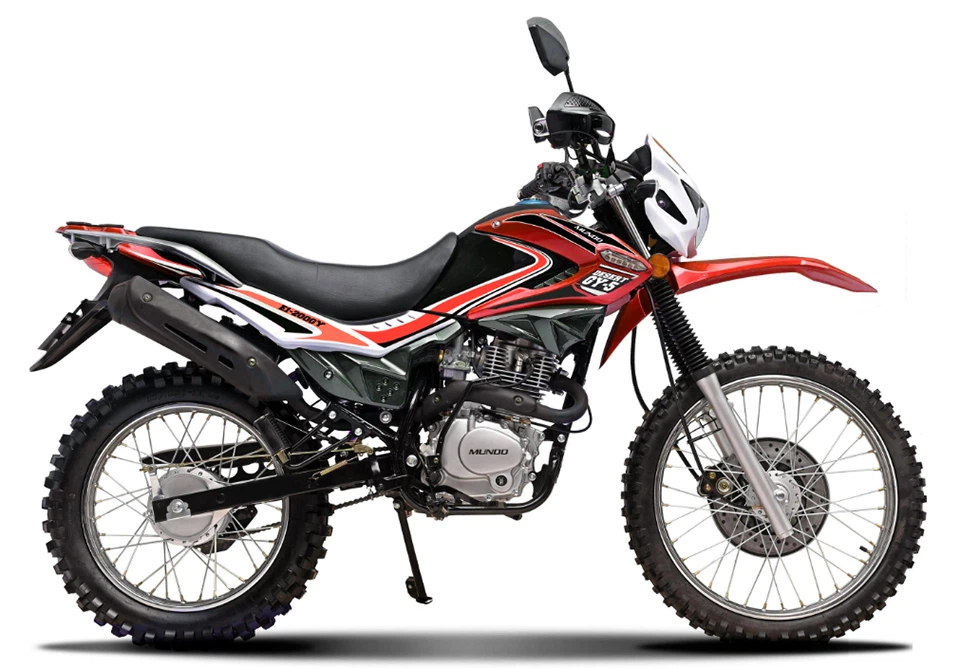
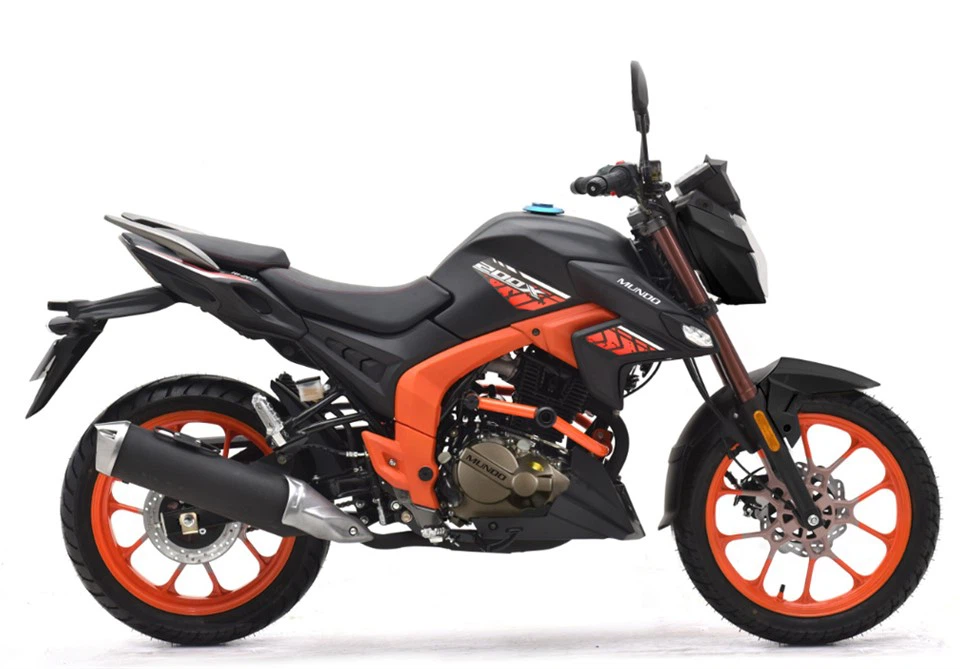
When comparing the F1 - 150 with other models in the market, it's interesting to look at some of its competitors. For example, the E1 - 200GY and R1 - 200 are two different types of vehicles. The E1 - 200GY is known for its agility and relatively lightweight design, which may allow it to achieve higher speeds compared to the F1 - 150. On the other hand, the R1 - 200 is designed with a different set of priorities, perhaps more focused on off - road performance rather than pure speed.
Another model to consider is the E2 - 250GY. This vehicle may have a different power - to - weight ratio and aerodynamic profile, which can result in a different maximum speed. Each of these models has its own unique features and trade - offs, and the choice between them depends on the specific needs and preferences of the buyer.
Why the F1 - 150 is Still a Great Choice
Despite its limitations in terms of maximum speed compared to some other vehicles, the F1 - 150 remains a top choice for many consumers. Its strength lies in its versatility and reliability. It can be used for a wide range of tasks, from daily commuting to heavy - duty hauling. The F1 - 150 has a proven track record of durability, with many owners reporting that their trucks last for hundreds of thousands of miles with proper maintenance.
The interior of the F1 - 150 is also well - designed, offering a comfortable and functional driving environment. It comes with a variety of advanced features, such as touch - screen infotainment systems, driver - assistance technologies, and luxurious seating options.
Contact for Procurement
If you're interested in purchasing an F1 - 150 or have any questions about our products, I encourage you to reach out. We have a team of experts who can provide you with detailed information about the different models, configurations, and pricing options. Whether you're a business looking to add a reliable work - truck to your fleet or an individual in need of a versatile vehicle for your daily life, we can help you find the perfect F1 - 150 to meet your requirements.
References
- Automotive Engineering Handbook: Covers general principles of vehicle design, including engine performance, aerodynamics, and transmission systems.
- F1 - 150 Manufacturer's Technical Documentation: Provides specific details about the F1 - 150's technical specifications and performance capabilities.
