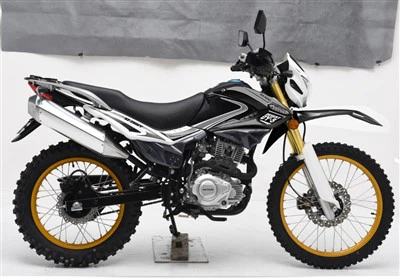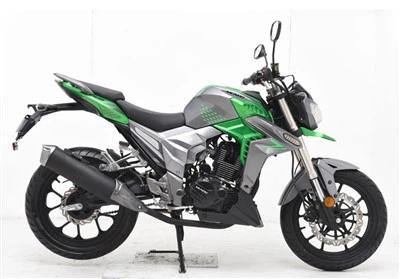
As a supplier of the Bulk X1 - 150, I am often asked about its heat dissipation method. Understanding the heat dissipation mechanism of this product is crucial for both end - users and potential buyers, as effective heat management ensures the device's optimal performance and longevity. In this blog post, I will delve into the heat dissipation methods employed in the Bulk X1 - 150.
The Importance of Heat Dissipation
Before we explore the specific heat dissipation method of the Bulk X1 - 150, it's essential to understand why heat dissipation is so important. Electronic devices, including the Bulk X1 - 150, generate heat during operation. This heat is a by - product of the electrical energy being converted into useful work, such as data processing or power transmission. Excessive heat can have several negative impacts on the device.
Firstly, high temperatures can reduce the efficiency of electronic components. As the temperature rises, the resistance of conductors increases, which in turn leads to more power being dissipated as heat. This creates a vicious cycle where more heat is generated, further increasing the temperature. Secondly, prolonged exposure to high temperatures can cause permanent damage to components, such as melting solder joints or degrading semiconductor materials. This can lead to device failure and costly repairs or replacements.
Heat Dissipation Methods in General
There are several common heat dissipation methods used in electronic devices. These include conduction, convection, and radiation.
Conduction is the transfer of heat through a solid material. In this process, heat energy is transferred from molecules with higher kinetic energy to those with lower kinetic energy within the same material. For example, a metal heat sink conducts heat away from a hot component.
Convection involves the transfer of heat through the movement of a fluid, such as air or liquid. Natural convection occurs when the fluid moves due to density differences caused by temperature variations. For instance, warm air rises, creating a natural flow that carries heat away from the device. Forced convection, on the other hand, uses fans or pumps to move the fluid more rapidly, enhancing the heat transfer rate.
Radiation is the emission of electromagnetic waves, specifically infrared radiation, from a hot object. All objects above absolute zero emit radiation, and the amount of radiation emitted depends on the object's temperature and surface properties.
Heat Dissipation in the Bulk X1 - 150
The Bulk X1 - 150 utilizes a combination of conduction and forced convection to dissipate heat effectively.
Conduction
Inside the Bulk X1 - 150, high - performance heat - conducting materials are used to transfer heat from the heat - generating components, such as the power transistors and integrated circuits, to the heat sink. The heat sink is typically made of a highly conductive metal, such as aluminum or copper. These metals have excellent thermal conductivity, allowing them to quickly absorb and spread the heat over a larger surface area.
The heat - generating components are in direct contact with the heat sink through a thermal interface material (TIM). The TIM fills in the microscopic gaps between the component and the heat sink, improving the thermal contact and reducing the thermal resistance. This ensures that heat can be efficiently transferred from the component to the heat sink.
Forced Convection
To enhance the heat dissipation process, the Bulk X1 - 150 is equipped with one or more fans. These fans create a forced airflow over the heat sink, carrying the heat away from the device. The fans are carefully designed and positioned to ensure that the airflow is evenly distributed across the heat sink, maximizing the heat transfer rate.
The speed of the fans is often controlled by a thermal management system. This system monitors the temperature of the device and adjusts the fan speed accordingly. When the temperature is low, the fans run at a lower speed to reduce noise and power consumption. As the temperature rises, the fans speed up to increase the airflow and dissipate more heat.
Comparison with Other Models
When comparing the Bulk X1 - 150 with other similar models in the market, such as the G1 - 150, E1 - 200GY, and R2 - 250, its heat dissipation design stands out.
The G1 - 150 may rely more on natural convection, which can be less efficient in high - load situations. This means that under heavy usage, the G1 - 150 may experience higher temperatures, potentially leading to performance degradation.
The E1 - 200GY might use a different combination of heat dissipation methods, but its fan design may not be as optimized as that of the Bulk X1 - 150. This could result in uneven airflow and less effective heat dissipation.
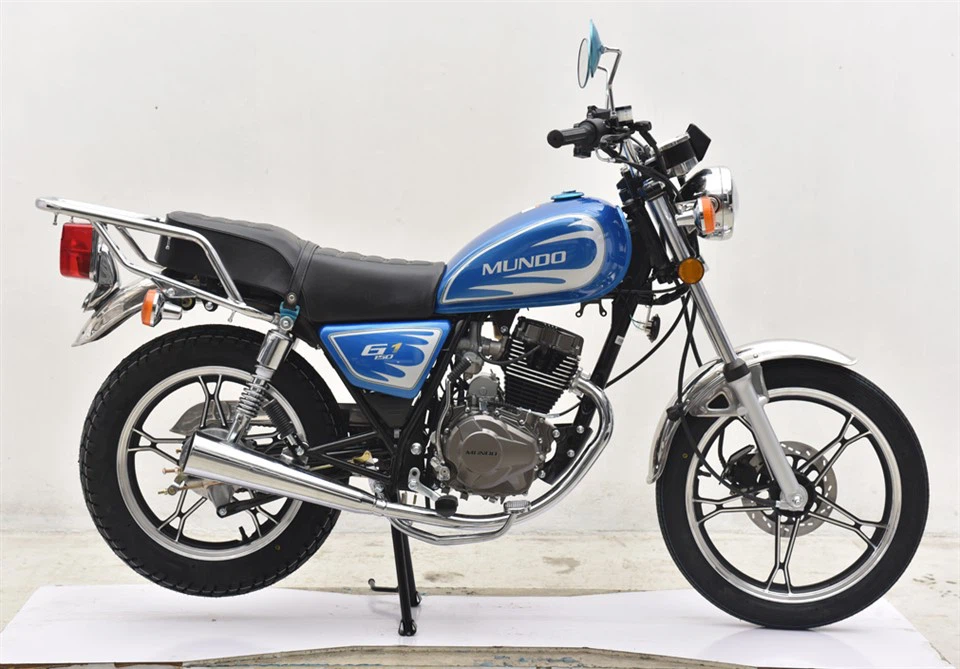
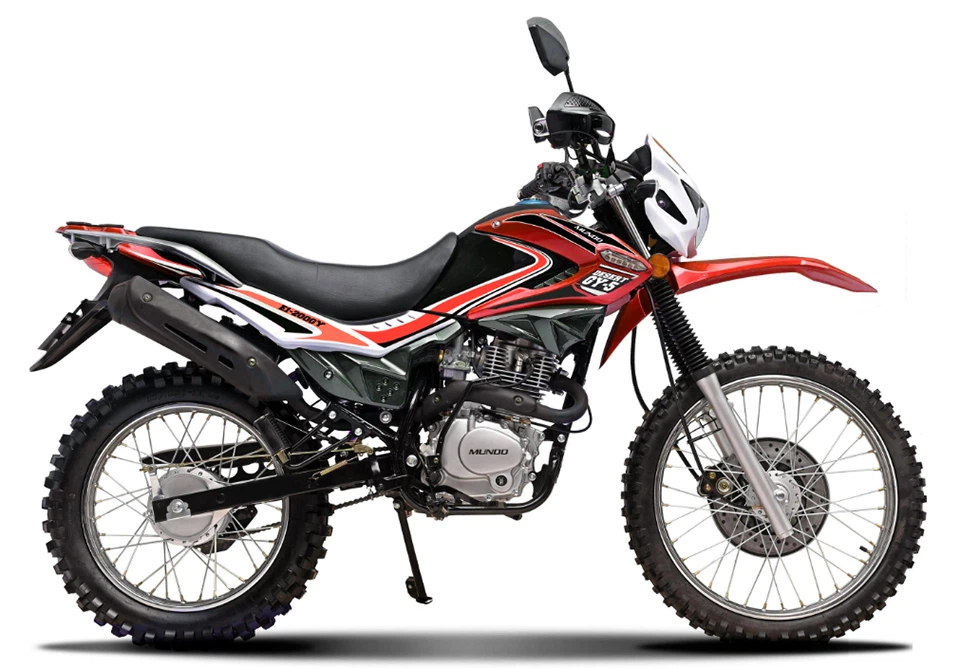
The R2 - 250, on the other hand, may have a more complex heat dissipation system, but it could also be more expensive and power - hungry. The Bulk X1 - 150 offers a balanced solution, providing efficient heat dissipation at a reasonable cost and power consumption.
Benefits of the Heat Dissipation Design
The effective heat dissipation design of the Bulk X1 - 150 offers several benefits.
Firstly, it ensures the stable performance of the device. By keeping the temperature within a safe range, the electronic components can operate at their optimal efficiency, reducing the risk of performance degradation and errors.
Secondly, it extends the lifespan of the device. Since the components are not exposed to excessive heat, they are less likely to suffer from thermal damage, which can significantly increase the device's reliability and reduce the need for frequent replacements.
Finally, the efficient heat dissipation design also contributes to a quieter operation. The thermal management system adjusts the fan speed based on the temperature, so the fans only run at high speeds when necessary. This reduces the overall noise level of the device, making it more suitable for use in quiet environments.
Conclusion
In conclusion, the Bulk X1 - 150 uses a combination of conduction and forced convection to dissipate heat effectively. The use of high - performance heat - conducting materials and carefully designed fans ensures that the device can maintain a stable temperature even under heavy loads. Compared with other models in the market, the Bulk X1 - 150 offers a cost - effective and efficient heat dissipation solution.
If you are interested in purchasing the Bulk X1 - 150 or have any questions about its heat dissipation or other features, please feel free to contact us for a procurement discussion. We are committed to providing you with the best products and services.
References
- "Thermal Management in Electronic Systems" by John W. Mitchell
- "Heat Transfer" by Frank P. Incropera and David P. DeWitt