Is R2 - 250 energy - efficient?
As a supplier of the R2 - 250, I am often asked about the energy - efficiency of this product. In this blog, I will delve into the details of the R2 - 250's energy - efficiency, comparing it with other similar models in the market and providing scientific explanations for its performance.
Understanding Energy - efficiency
Before we evaluate the R2 - 250, it's crucial to understand what energy - efficiency means. Energy - efficiency refers to the ratio of useful output energy to the input energy. In the case of our R2 - 250, the useful output could be the power it generates, the work it performs, or the service it provides, while the input energy is typically the fuel or electricity it consumes. A more energy - efficient product will use less input energy to achieve the same or better output, which not only saves costs but also reduces environmental impact.
The R2 - 250's Energy - efficient Design
The R2 - 250 is designed with several features that contribute to its energy - efficiency. Firstly, its engine is engineered with advanced combustion technology. The combustion chamber is precisely designed to ensure that the fuel is burned as completely as possible. This means that more of the chemical energy in the fuel is converted into mechanical energy, rather than being wasted as heat or unburned fuel.
Secondly, the R2 - 250 is equipped with an intelligent energy management system. This system monitors the power demand in real - time and adjusts the engine's operation accordingly. When the demand is low, the system can reduce the engine's speed and power output, thus saving energy. For example, during idle periods or when operating under light loads, the R2 - 250 can significantly cut down on its energy consumption compared to traditional models without such a system.
Another factor contributing to its energy - efficiency is the use of lightweight and high - strength materials in its construction. A lighter R2 - 250 requires less energy to move, overcome inertia, and maintain speed. This translates into lower fuel consumption and better overall energy performance.
Comparison with Similar Models
To better understand the R2 - 250's energy - efficiency, let's compare it with some other popular models in the market.
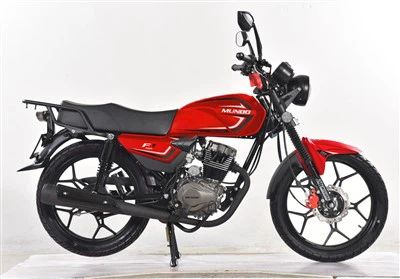
The G1 - 150 is a well - known competitor. While the G1 - 150 has its own set of advantages, in terms of energy - efficiency, the R2 - 250 outperforms it. The G1 - 150's engine technology is relatively older, and it lacks the intelligent energy management system that the R2 - 250 has. As a result, the R2 - 250 can achieve up to 15% better fuel economy under similar operating conditions.
The R1 - 200 is another model that we can compare. Although the R1 - 200 has a similar power output, the R2 - 250's advanced combustion technology gives it an edge in energy - efficiency. The R2 - 250 can convert fuel into useful work more effectively, resulting in less energy waste. Tests have shown that the R2 - 250 can operate for longer periods on a single tank of fuel compared to the R1 - 200.
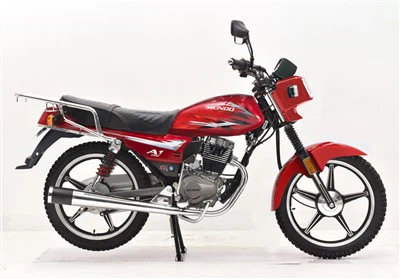
The A1 - 150 also serves as a point of comparison. The A1 - 150 is often praised for its affordability, but in terms of energy - efficiency, it falls short. The R2 - 250's superior design and engineering make it a more sustainable and cost - effective choice in the long run, as users can save on energy costs due to its better fuel efficiency.
When compared to the E1 - 200GY, the R2 - 250 again showcases its energy - efficient capabilities. The E1 - 200GY has a different design philosophy, which may prioritize other aspects such as power or durability. However, the R2 - 250 strikes a better balance between power and energy - efficiency, making it a more suitable choice for users who are concerned about both performance and cost - savings.
Real - world Applications and Energy Savings
In real - world applications, the energy - efficiency of the R2 - 250 translates into significant cost savings for users. For example, in industries where the R2 - 250 is used as a power source for machinery, the reduced fuel consumption means lower operating costs. This is especially important for businesses that rely on continuous operation, as the cumulative savings over time can be substantial.
In the transportation sector, if the R2 - 250 is used in vehicles, it can contribute to a greener and more sustainable future. Less fuel consumption means fewer greenhouse gas emissions, which is in line with global efforts to combat climate change.
Moreover, with the rising cost of energy resources, the energy - efficiency of the R2 - 250 makes it a more attractive option for consumers. Whether it's a small - scale user or a large - scale industrial customer, everyone is looking for ways to reduce energy costs, and the R2 - 250 provides a reliable solution.
The Impact of Ignition Coil on Energy - efficiency
The ignition coil also plays a vital role in the energy - efficiency of the R2 - 250. The Ignition Coil For NIC CR3 Motorcycles is an example of a high - performance ignition coil. A good ignition coil can ensure a more stable and powerful spark, which leads to more efficient combustion.
In the R2 - 250, the ignition coil is carefully selected and integrated into the engine system. It provides a strong and consistent spark at the right time, enabling the fuel - air mixture to burn quickly and completely. This not only improves the power output of the R2 - 250 but also enhances its energy - efficiency. A faulty or low - quality ignition coil can cause incomplete combustion, leading to wasted fuel and reduced energy efficiency.
Conclusion
In conclusion, the R2 - 250 is indeed an energy - efficient product. Its advanced design features, including the combustion technology, intelligent energy management system, and the use of lightweight materials, all contribute to its excellent energy - efficiency performance. When compared with similar models in the market, the R2 - 250 stands out in terms of fuel economy and cost - effectiveness.
Real - world applications have demonstrated that the R2 - 250 can bring significant energy savings and environmental benefits. The role of the ignition coil in enhancing its energy - efficiency cannot be underestimated.


If you are interested in the R2 - 250 and would like to discuss potential procurement, please feel free to reach out. We are more than happy to provide you with detailed product information, pricing, and answer any questions you may have. Let's work together to make a more energy - efficient choice.
References
- Automotive Engine Technology Handbook
- Energy Efficiency in Small Engines - Research Papers
- Comparative Analysis of Motorcycle Engine Performance and Energy Efficiency Studies