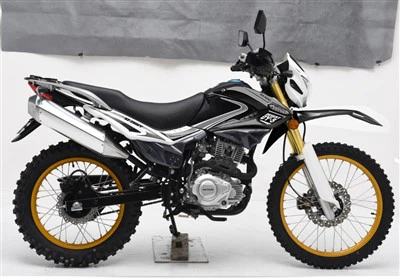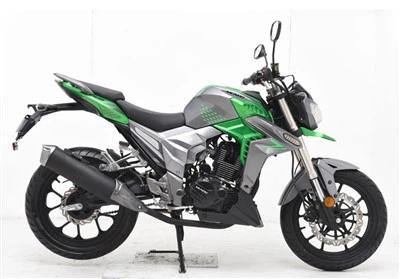
Maintaining bulk motorcycles is a crucial aspect of ensuring their longevity, performance, and safety. As a bulk moto supplier, I understand the significance of providing customers with not only high-quality motorcycles but also the knowledge on how to maintain them properly. In this blog, I will share some essential tips on how to maintain bulk moto, covering various aspects from regular inspections to specific maintenance tasks for different motorcycle models like the R1-200, X1-150, and G1-150.
Regular Inspections
Regular inspections are the foundation of motorcycle maintenance. They help in identifying potential issues early on, preventing major breakdowns, and ensuring the safety of the rider. Here are some key areas to focus on during inspections:
Tire Inspection
Tires are the only contact point between the motorcycle and the road, so their condition is critical. Check the tire pressure regularly using a reliable tire pressure gauge. Incorrect tire pressure can affect handling, fuel efficiency, and tire wear. Refer to the motorcycle's manual for the recommended tire pressure.
Inspect the tire tread depth as well. Worn-out tires can reduce traction, especially in wet conditions, increasing the risk of accidents. You can use a tread depth gauge or the built-in tread wear indicators on the tires. If the tread depth is below the recommended level, it's time to replace the tires.
Fluid Levels
Motorcycles have several fluids that need to be checked regularly, including engine oil, coolant, brake fluid, and clutch fluid. Engine oil lubricates the engine's moving parts, reducing friction and wear. Check the oil level using the dipstick and top it up if necessary. Make sure to use the recommended oil type for your motorcycle.
Coolant helps in regulating the engine temperature. Check the coolant level in the radiator or coolant reservoir and ensure it is at the appropriate level. Low coolant levels can cause the engine to overheat, leading to serious damage.
Brake fluid is essential for the proper functioning of the braking system. Check the brake fluid level in the brake fluid reservoir. If the level is low, it could indicate a leak in the braking system, which should be addressed immediately.
Clutch fluid, if applicable, should also be checked regularly. Low clutch fluid can affect the clutch's performance, making it difficult to shift gears smoothly.
Battery
The battery provides the electrical power needed to start the motorcycle and run its electrical components. Check the battery terminals for corrosion and clean them if necessary. Corroded terminals can prevent the battery from charging properly or cause electrical problems.
Test the battery's voltage using a multimeter. A fully charged battery should have a voltage of around 12.6 volts. If the voltage is significantly lower, the battery may need to be charged or replaced.
Cleaning and Lubrication
Regular cleaning and lubrication not only keep your motorcycle looking good but also help in maintaining its performance and preventing corrosion.
Cleaning
Clean your motorcycle regularly to remove dirt, grime, and road debris. Use a mild soap and water solution and a soft sponge or cloth to avoid scratching the paint. Pay special attention to areas like the engine, chain, and brakes, as these are more prone to dirt buildup.
After cleaning, dry the motorcycle thoroughly to prevent water from causing rust or corrosion. You can use a microfiber towel or a compressed air gun to remove any remaining water.
Lubrication
Lubrication is essential for the smooth operation of the motorcycle's moving parts. The chain, in particular, needs to be lubricated regularly. A dry or dirty chain can cause premature wear and reduce the motorcycle's performance. Use a high-quality chain lubricant and apply it evenly along the length of the chain.
Other moving parts, such as the throttle cables, clutch cables, and pivot points, also need to be lubricated. Refer to the motorcycle's manual for the recommended lubricants and lubrication intervals.
Specific Maintenance for Different Models
While the general maintenance tips mentioned above apply to all motorcycles, different models may have specific maintenance requirements. Here are some specific maintenance tips for the R1-200, X1-150, and G1-150:
R1-200
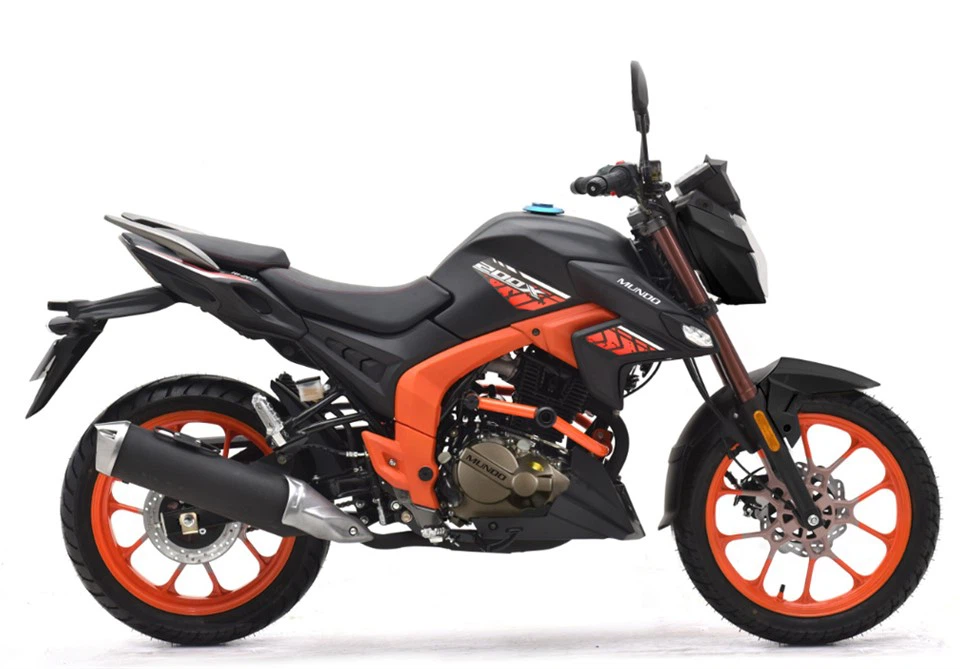
The R1-200 is a high-performance motorcycle that requires regular maintenance to keep it in top condition. In addition to the general maintenance tasks, pay special attention to the engine's performance. Check the spark plugs regularly and replace them if they are worn out. Worn spark plugs can cause misfires, reduced power, and poor fuel efficiency.
The R1-200 also has a sophisticated suspension system. Inspect the suspension components regularly for signs of wear or damage, such as leaks or loose bolts. If you notice any issues, have the suspension system checked and serviced by a professional.
X1-150
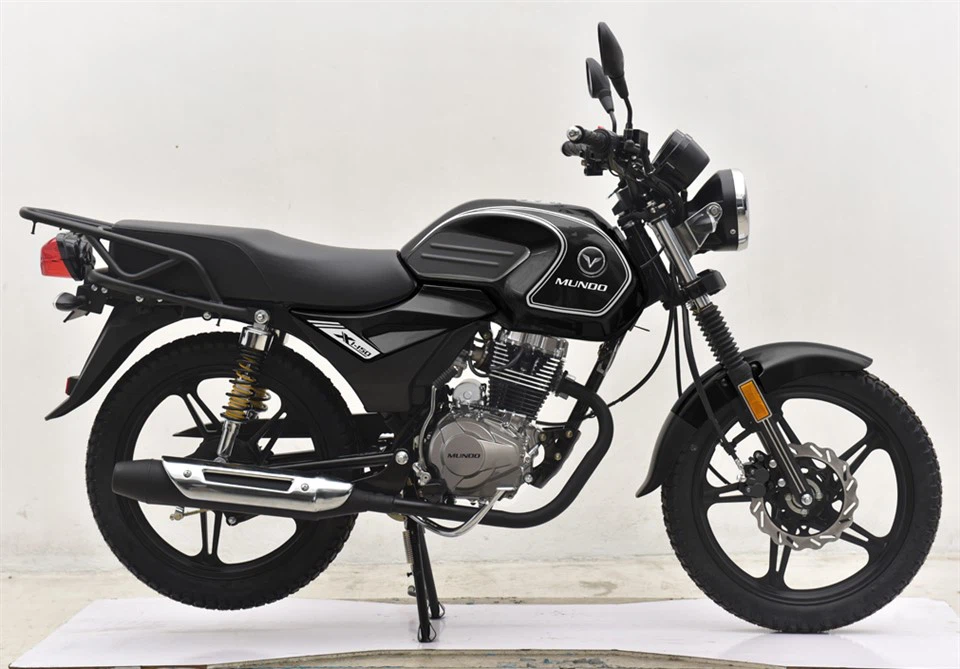
The X1-150 is a popular commuter motorcycle known for its reliability and fuel efficiency. In addition to the regular maintenance, make sure to keep the air filter clean. A dirty air filter can restrict the airflow to the engine, reducing its performance and fuel efficiency. Replace the air filter according to the manufacturer's recommendations.
The X1-150's braking system is also important for safety. Inspect the brake pads regularly for wear and replace them if necessary. Worn brake pads can reduce the braking performance, increasing the stopping distance.
G1-150
The G1-150 is a versatile motorcycle suitable for both city riding and light off-road use. If you use the G1-150 off-road, pay extra attention to the suspension and tires. The rough terrain can put more stress on the suspension components, so make sure to inspect them regularly for any signs of damage.
The tires on the G1-150 may also wear out faster when used off-road. Check the tire condition more frequently and replace them if needed.
Storage
If you need to store your motorcycle for an extended period, proper storage is essential to prevent damage.
Preparation
Before storing the motorcycle, clean it thoroughly and make sure it is dry. Change the engine oil and filter to remove any contaminants that could cause corrosion during storage.
Top up all the fluids, including the fuel tank. Adding a fuel stabilizer to the fuel can prevent it from deteriorating during storage.
Disconnect the battery and store it in a cool, dry place. Charge the battery periodically to prevent it from losing its charge.
Storage Location
Store the motorcycle in a dry, well-ventilated area, such as a garage or a shed. If possible, cover the motorcycle with a breathable motorcycle cover to protect it from dust and debris.
Conclusion
Maintaining bulk moto is a responsibility that every motorcycle owner should take seriously. By following these maintenance tips, you can ensure that your motorcycles stay in top condition, perform well, and provide a safe riding experience.
If you are interested in purchasing bulk motorcycles or have any questions about motorcycle maintenance, feel free to contact us. We are here to provide you with the best products and services.
References
- Motorcycle Owner's Manuals
- Motorcycle Maintenance Guides
- Industry Publications on Motorcycle Maintenance