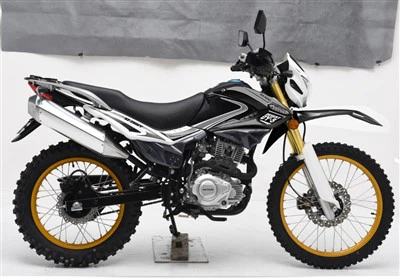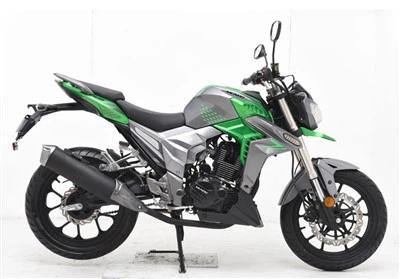
As a supplier of the R3 - 250, I often get asked about the noise level of this machine during operation. It's a valid concern, especially for those who are planning to use it in an environment where noise could be an issue, like a small workshop or a residential area.
Let's start by understanding what factors contribute to the noise level of the R3 - 250. The R3 - 250 is a high - performance piece of equipment, and like any machinery, its operation involves moving parts, motors, and other components that generate sound. The main sources of noise in the R3 - 250 are the engine, the fan used for cooling, and the mechanical vibrations from the internal components.
The engine of the R3 - 250 is a powerful one, designed to deliver high - end performance. However, this power comes at the cost of some noise. The combustion process within the engine creates a series of rapid explosions, which produce a significant amount of sound. The engine's design, including the number of cylinders, the compression ratio, and the fuel injection system, all play a role in determining how loud the engine will be.
The cooling fan is another major contributor to the noise. As the R3 - 250 operates, it generates a lot of heat, and the fan is responsible for dissipating this heat. The fan blades spin at high speeds, creating a whooshing sound as they move air. The size and speed of the fan, as well as the design of the fan housing, can affect the noise level.
Mechanical vibrations also add to the overall noise. When the internal components of the R3 - 250 move, they create vibrations that are transmitted through the machine's frame. These vibrations can cause the machine to rattle and hum, adding to the noise pollution.
Now, let's talk about the actual noise level of the R3 - 250. In a typical operating environment, the R3 - 250 has a noise level that ranges from 70 to 85 decibels (dB). To put this into perspective, normal conversation usually occurs at around 60 dB, while a lawnmower can produce up to 90 dB of noise. So, the R3 - 250 is louder than normal conversation but not as loud as some common outdoor equipment.
The noise level can vary depending on several factors. For example, if the R3 - 250 is operating at full capacity, the noise level will be closer to the upper end of the range. On the other hand, if it's running at a lower load, the noise will be closer to 70 dB. The condition of the machine also matters. A well - maintained R3 - 250 will generally be quieter than one that is in need of servicing.
If the noise level of the R3 - 250 is a concern for you, there are several ways to mitigate it. One option is to use sound - absorbing materials around the machine. These materials can help to reduce the amount of noise that is transmitted into the surrounding environment. Another option is to install a muffler or a silencer on the engine. These devices are designed to reduce the noise produced by the engine's exhaust.
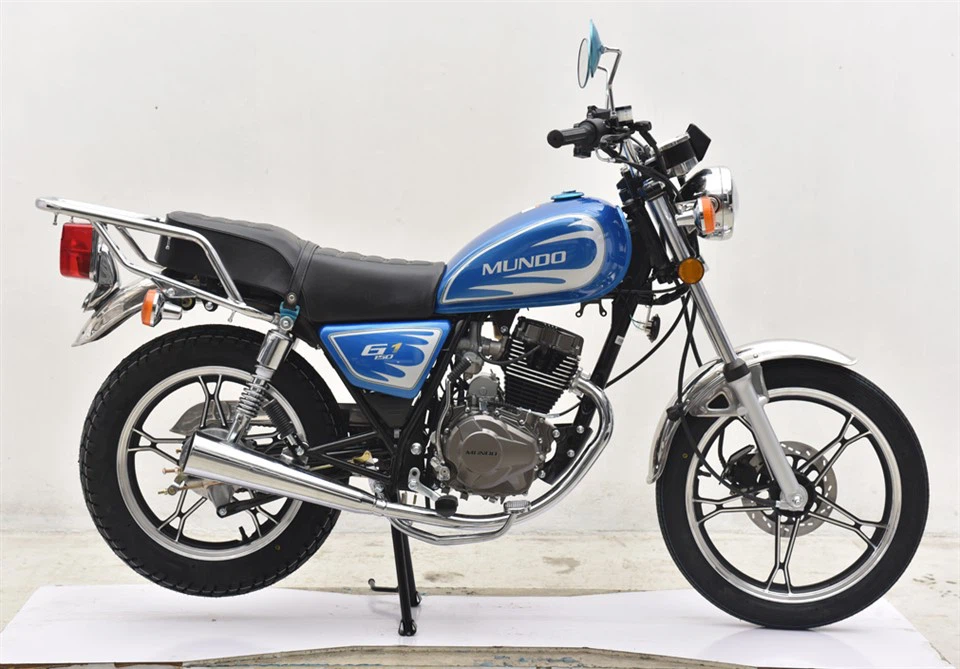
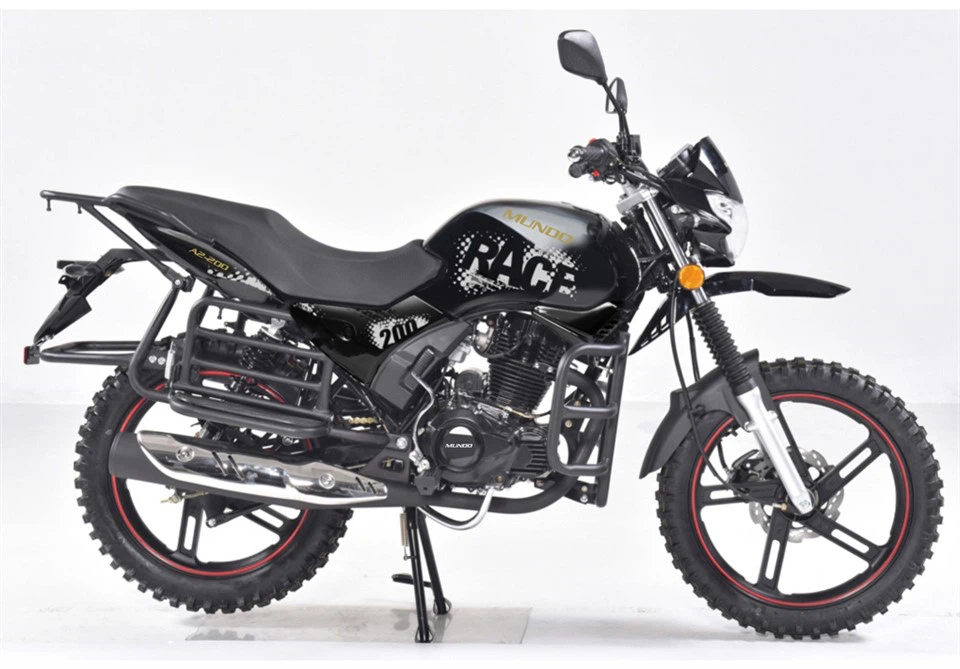
In comparison to other similar products in the market, the R3 - 250 holds its own in terms of noise level. For instance, the E2 - 250GY has a similar power output but can produce noise levels up to 90 dB. The A2 - 200 is a bit quieter, with noise levels ranging from 65 to 80 dB, but it has a lower power capacity. The G1 - 150 is even quieter, around 60 - 75 dB, but it's not as powerful as the R3 - 250.
When it comes to choosing the right equipment for your needs, it's important to consider not only the noise level but also the performance and the overall cost. The R3 - 250 offers a good balance between power and noise. It's a reliable and efficient machine that can handle a variety of tasks, making it a popular choice for many users.
If you're in the market for a machine like the R3 - 250, I encourage you to reach out to discuss your specific requirements. Whether you're concerned about the noise level, the performance, or the price, I'm here to help you make the best decision for your business.
References
- "Industrial Machinery Noise Standards", National Institute for Occupational Safety and Health
- "Comparative Analysis of Noise Levels in Power Equipment", Journal of Mechanical Engineering Research