Hey there! I'm a supplier of bulk F1 - 150 trucks, and today I wanna chat about one of the most important aspects of these beasts: the cargo bed size.
The cargo bed of the F1 - 150 is a crucial feature, especially for those who use these trucks for work or hauling. Different models of the F1 - 150 come with various cargo bed sizes to meet different needs.
First off, let's talk about the standard cargo bed sizes you can find in bulk F1 - 150s. There are generally three main sizes: the short bed, the standard bed, and the long bed.
The short bed is great for those who need a bit more maneuverability. It's usually around 5.5 feet in length. This size is perfect if you're using the truck in urban areas or tight spaces. You can still haul a decent amount of stuff, like a couple of dirt bikes or a small load of building materials. The shorter length makes it easier to park and turn around, which is a big plus in busy city streets.
The standard bed, on the other hand, is about 6.5 feet long. It's a well - balanced option that offers a good amount of cargo space without sacrificing too much in terms of the truck's overall length. This is the most popular choice among many F1 - 150 buyers. You can fit larger items like furniture, a small boat trailer, or a decent amount of landscaping materials. It gives you enough room to load up for a weekend project or a work - related haul.
Then there's the long bed, which measures around 8 feet. If you need to transport really long items, like lumber or pipes, this is the one for you. It's like having a mobile storage unit on wheels. You can load up a full - length sheet of plywood or a long ladder without having to worry about them sticking out too much.
But the cargo bed size isn't just about length. The width and depth also play important roles. The width of the F1 - 150 cargo bed is typically around 50 - 60 inches between the wheel wells. This gives you enough space to place wide items flat. And the depth of the bed is usually around 20 inches, which helps keep your cargo from falling out during transit.
Now, let's talk about how these different cargo bed sizes can impact your business or daily life. If you're in the construction industry, the long bed might be your go - to. You can transport all the building materials you need in one trip, which saves time and money. For landscapers, the standard bed could be sufficient for carrying plants, soil, and small tools. And if you're just using the truck for personal use, like moving furniture or going on camping trips, the short or standard bed might be all you need.
When it comes to our bulk F1 - 150s, we offer all these different cargo bed sizes to meet your specific requirements. Whether you need a fleet of trucks with long beds for a big construction project or a few short - bed trucks for urban delivery services, we've got you covered.
It's also worth mentioning that the F1 - 150 has some great features to make the most of the cargo bed space. For example, there are tie - down points all around the bed, which help secure your cargo. You can also add accessories like bed liners, tonneau covers, and cargo racks to customize the bed according to your needs.
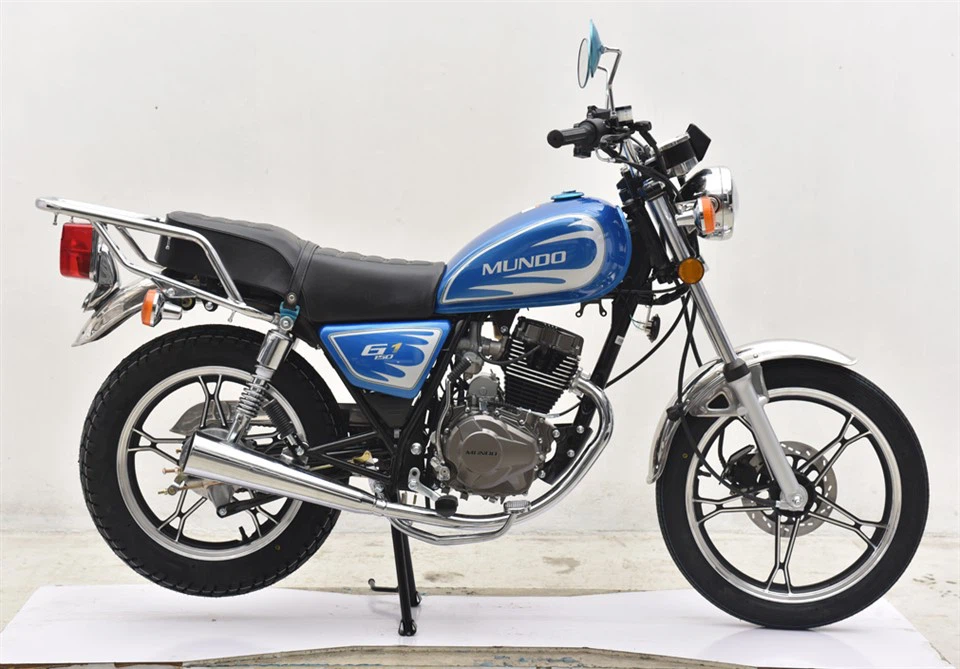
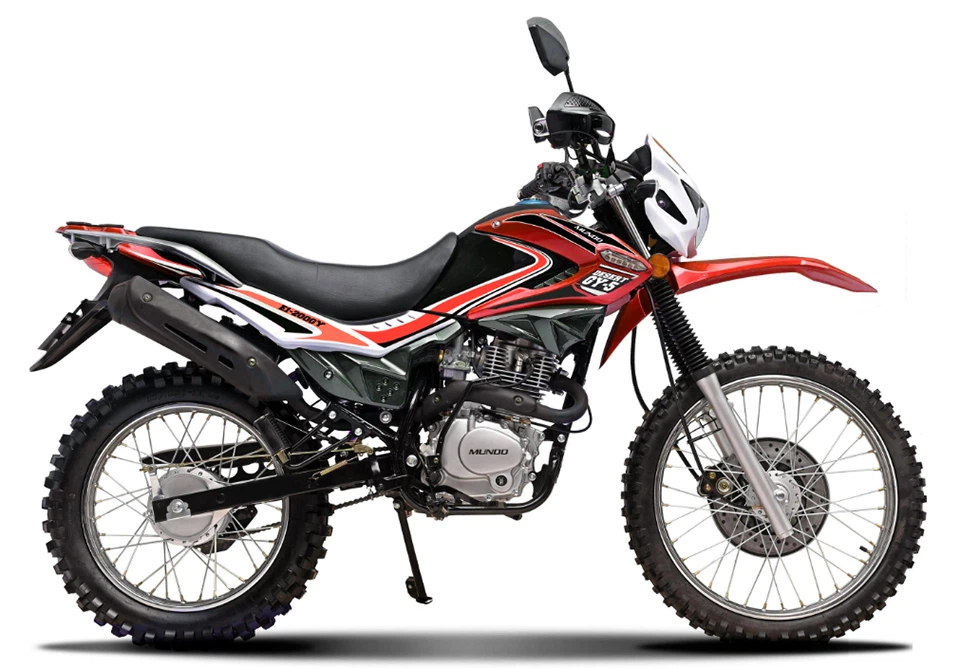
If you're in the market for other related vehicles, we also have some great options. Check out the E2 - 250GY, the G1 - 150, and the E1 - 200GY. These vehicles might have different cargo capacities and features that could also suit your business or personal needs.
So, if you're thinking about buying bulk F1 - 150s, the cargo bed size should definitely be on your list of considerations. It can make a huge difference in how useful the truck is for you. Whether you need to haul small items or large, heavy loads, there's an F1 - 150 cargo bed size that's perfect for your situation.
If you're interested in purchasing bulk F1 - 150s or have any questions about the cargo bed sizes or other features, don't hesitate to reach out. We're here to help you find the right trucks for your needs and get the best deal possible. Let's start a conversation and see how we can work together to meet your hauling requirements.
References:
- Ford official documentation on F1 - 150 specifications
- Industry reports on truck usage and cargo needs