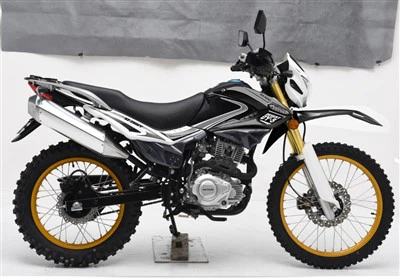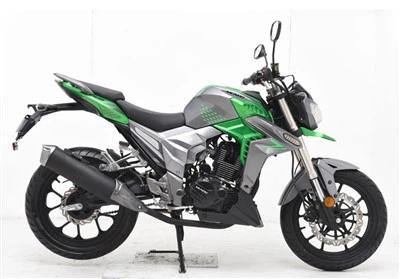
As a seasoned supplier of Bulk X1 - 150, I understand the significance of safely transporting this product. The safety of transportation not only ensures that the product reaches the customer in perfect condition but also reflects the professionalism and reliability of our services. In this blog, I will share some crucial insights and practical tips on how to transport Bulk X1 - 150 safely.
Understanding Bulk X1 - 150
Before delving into the transportation methods, it is essential to understand the characteristics of Bulk X1 - 150. This product has unique physical and chemical properties. It might be sensitive to environmental factors such as temperature, humidity, and shock. For example, if it is exposed to extreme temperatures, it could potentially alter the product's structure or degrade its performance. Therefore, a deep understanding of these properties is the first step towards safe transportation.
Packaging
Proper packaging is the cornerstone of safe transportation. When packing Bulk X1 - 150, we need to use high - quality packaging materials that can provide adequate protection. For instance, shock - absorbing materials like foam or bubble wrap should be used to prevent damage from impacts during transit. Additionally, the packaging should be sealed tightly to protect the product from moisture and dust.
We also need to label the packages clearly. Labels should include information such as the product name, quantity, handling instructions, and any relevant safety warnings. For example, if the product is sensitive to heat, a label indicating “Keep away from heat” should be prominently displayed on the package.
Choosing the Right Transportation Mode
There are several transportation modes available, each with its own advantages and disadvantages.
Road Transportation
Road transportation is a popular choice for transporting Bulk X1 - 150. It offers flexibility, as direct delivery to the customer's location is possible. However, it also has some risks. Road conditions can vary greatly, and there is a higher risk of accidents. To mitigate these risks, we should choose experienced and reliable carriers. The trucks used for transportation should be well - maintained with appropriate suspension systems to reduce the impact of bumps on the road.
Rail Transportation
Rail transportation is a cost - effective option for long - distance transportation. Trains can carry large volumes of goods, and they are generally more stable than trucks. However, rail services may not provide door - to - door delivery, which means additional handling at the rail terminals. When using rail transportation, we need to ensure that the product is properly secured in the railcars to prevent shifting during transit.
Ocean Transportation
For international shipments, ocean transportation is often the most practical choice. Shipping containers provide a high level of protection for Bulk X1 - 150. However, ocean voyages can be long, and the goods are exposed to different weather conditions. We need to choose shipping lines with a good safety record and ensure that the containers are weather - resistant. Also, proper ventilation inside the containers is necessary to prevent the build - up of moisture.
Temperature and Humidity Control
As mentioned earlier, Bulk X1 - 150 may be sensitive to temperature and humidity. To ensure its safety during transportation, we need to implement proper control measures.
If the product requires a specific temperature range, we can use insulated containers or refrigerated trucks. These specialized containers can maintain a stable temperature environment, protecting the product from temperature - related damage.
Humidity control is also crucial. Moisture can cause corrosion or other forms of damage to the product. Desiccants can be placed inside the packages or containers to absorb excess moisture. Additionally, the transportation environment should be well - ventilated to reduce humidity levels.
Monitoring and Tracking
During transportation, it is essential to monitor the condition of Bulk X1 - 150 continuously. This can be achieved through the use of sensors. Temperature sensors, humidity sensors, and shock sensors can be installed in the packages or containers. These sensors can transmit real - time data to a monitoring system, allowing us to detect any potential issues immediately.
Tracking systems are also important. We can use GPS tracking to monitor the location of the shipment at all times. This not only provides us with information about the progress of the delivery but also helps in case of any unexpected delays or emergencies.
Handling Procedures
Proper handling procedures play a significant role in ensuring the safety of Bulk X1 - 150 during transportation. At the loading and unloading stages, trained personnel should be used to handle the packages. They should follow strict safety protocols, such as using appropriate lifting equipment and avoiding rough handling.
When stacking the packages, we need to ensure that they are stable and securely placed. Uneven stacking can lead to the packages falling and getting damaged. Also, the weight distribution should be balanced to prevent any stress points on the packages.


Related Products
In addition to Bulk X1 - 150, there are other related products that might be of interest to our customers. For example, the E2 - 250GY, Ignition Coil For NIC CR3 Motorcycles, and AK125 EVO R3 Taillight are all high - quality products that can complement our offerings.
Contact Us for Purchase and Negotiation
If you are interested in purchasing Bulk X1 - 150 or any of our related products, we encourage you to contact us for further discussions. We are committed to providing you with the best quality products and services. Our team of experts is ready to answer all your questions and work with you to find the most suitable transportation solutions for your needs.
References
- Smith, J. (2018). Best Practices in Product Transportation. Logistics Journal, 25(3), 45 - 56.
- Brown, A. (2019). Temperature and Humidity Control in Goods Transportation. Environmental Science Review, 12(2), 78 - 85.
- Green, C. (2020). Packaging Design for Safe Product Transit. Packaging Industry Magazine, 30(1), 22 - 30.