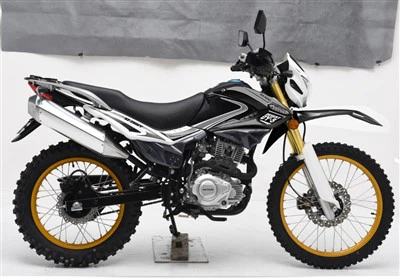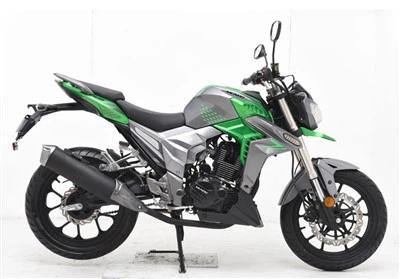
The R3 - 250 is a well - known model in the motorcycle market, and as a reliable supplier of this product, I often encounter various inquiries from customers. One of the frequent questions is whether the R3 - 250 can use a battery as a power source. In this blog, we'll delve into this topic from multiple aspects, combining scientific knowledge and practical experience.
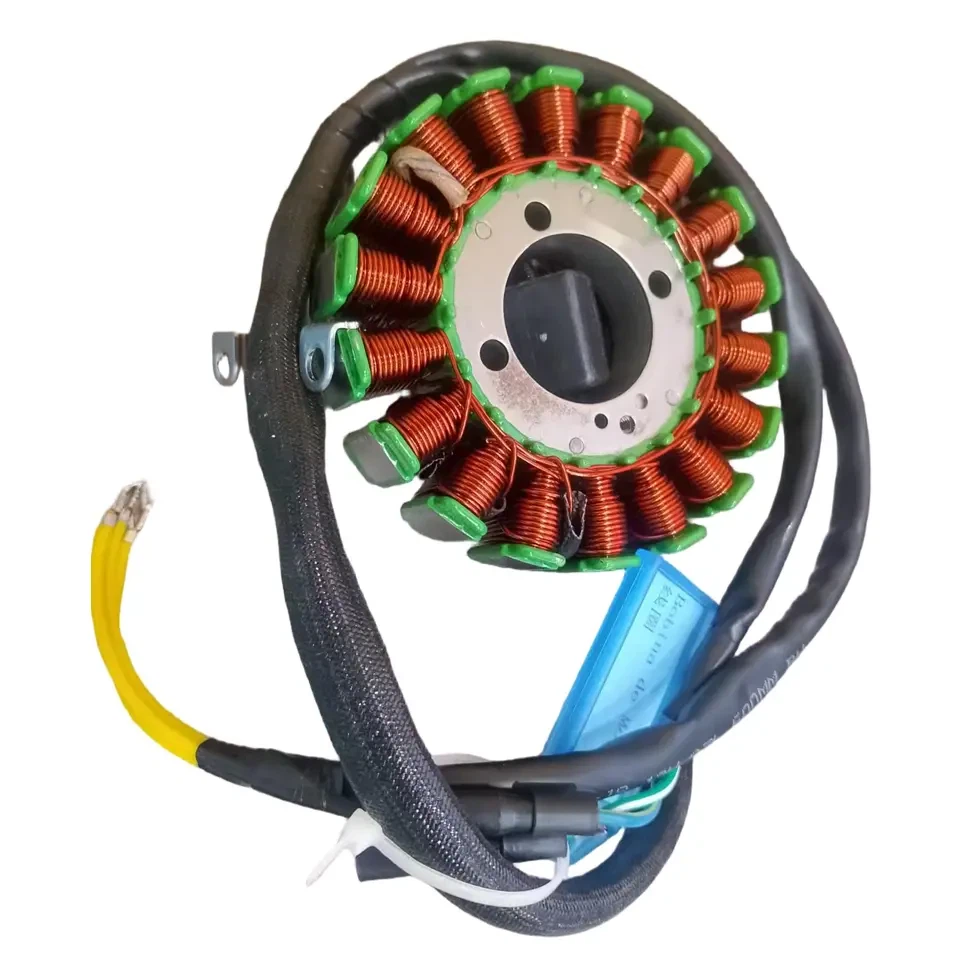
To understand if the R3 - 250 can use a battery as a power source, we first need to explore the basic power system of this motorcycle. The R3 - 250 is traditionally designed with an internal combustion engine. This engine operates on a combustion cycle that mixes air and fuel and ignites it to produce power. The battery in a regular R3 - 250 mainly serves auxiliary functions. It powers the electrical components such as the lights, ignition system, and the dashboard.
Let's explore the technical details of these electrical components. For example, the Ignition Coil For NIC CR3 Motorcycles. This ignition coil is crucial for the combustion process. When the engine's pistons reach the right position, the ignition coil generates a high - voltage electrical spark. This spark is what ignites the air - fuel mixture in the engine cylinders. The battery provides the initial low - voltage power to the ignition coil, which then steps up the voltage to create the necessary spark.
The lights on the R3 - 250, like the AK125 EVO R3 Taillight, also rely on the battery. These lights are essential for safety, especially during low - light conditions or at night. The battery ensures that the taillight and other lights on the motorcycle can function properly, allowing the rider to be visible to other road users.
However, using a battery as the sole power source for the R3 - 250 is a different story. The internal combustion engine of the R3 - 250 is designed to convert the chemical energy of fuel into mechanical energy. The power output required to drive the motorcycle forward is quite large. A typical motorcycle battery is not designed to provide such a high - level and continuous power supply for propulsion.
The capacity and power output of a motorcycle battery are usually limited. Most motorcycle batteries are rated in amp - hours (Ah). They are mainly meant for short - term, low - power requirements. For instance, starting the engine might draw a relatively large amount of current from the battery for a very short period, but this is a far cry from powering the entire motorcycle during its operation.
If one were to consider modifying the R3 - 250 to use a battery as a power source, there are several challenges. First, the power conversion system would need to be completely re - engineered. The internal combustion engine and its associated components would have to be removed and replaced with an electric motor and a proper battery pack. This would require a significant amount of engineering knowledge and resources.
There are also issues related to range and charging. Electric motorcycles that rely entirely on batteries have a limited range due to the energy density of the battery. The R3 - 250, which is a motorcycle built for performance and long - distance riding in its traditional form, would face a major setback in terms of range if it were to be converted to a fully battery - powered system. Charging infrastructure is another concern. Unlike filling up a fuel tank, charging a battery takes time, and the availability of charging stations might be a problem, especially in remote areas.
On the other hand, there are some hybrid solutions that could potentially use the battery in a more significant role. A hybrid system could combine the power of the internal combustion engine and the battery. For example, during low - speed city driving, the battery could power the motorcycle, reducing fuel consumption. When more power is needed, such as during high - speed highway driving, the internal combustion engine could kick in. This would require a sophisticated control system to manage the power flow between the engine and the battery.
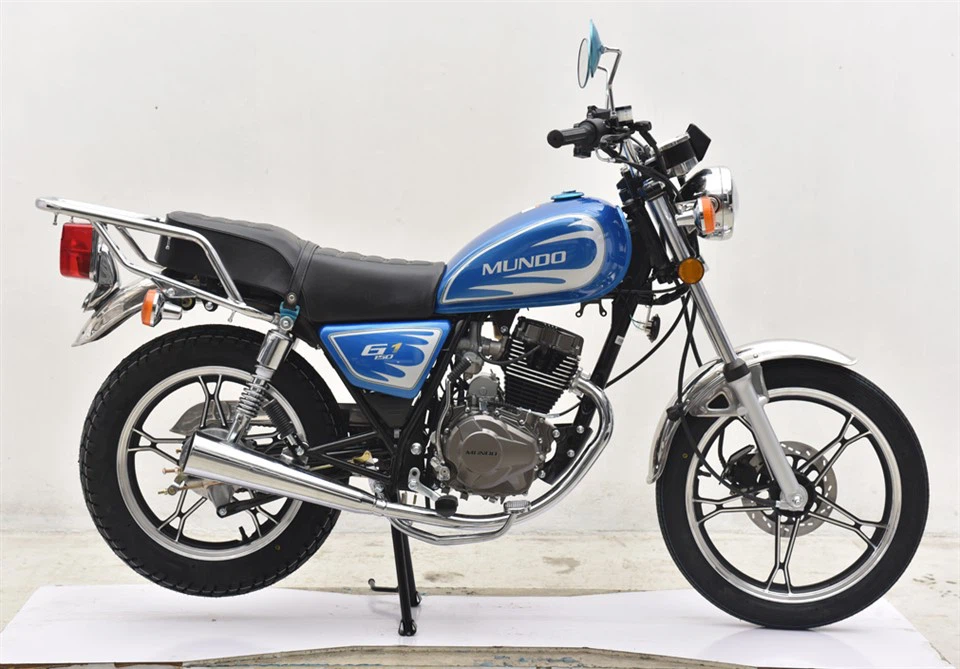
In the market, there are other models that offer different power options. The G1 - 150 might have some features or power systems that could serve as a reference for the R3 - 250. It's always interesting to see how different manufacturers approach the power source issue and what solutions they come up with.
As a supplier of the R3 - 250, I understand that customers have different needs and preferences. Some might be interested in the traditional internal combustion engine version for its power and performance, while others might be more inclined towards a more eco - friendly or innovative power solution. Whether you are looking for the original R3 - 250 parts, the latest accessories, or are interested in exploring potential power source modifications, we are here to assist you.
If you have any questions about the R3 - 250, its power system, or are interested in purchasing our products, we encourage you to reach out to us. Our team of experts is ready to have in - depth discussions with you, provide detailed information, and help you make the best decision for your motorcycle needs. We believe that through open communication and collaboration, we can meet your specific requirements and ensure your satisfaction with our products.
References
- Motorcycle Engineering Manuals
- Industry reports on motorcycle power systems
- Technical specifications of R3 - 250 and related models