

In the dynamic world of technology, the question of whether a device can meet specific user needs is always at the forefront. One such query that has been gaining traction is, "Can A1 - 150 be used for photo editing?" As a proud supplier of the A1 - 150, I am here to delve deep into this topic and provide you with a comprehensive analysis.
Understanding the A1 - 150
First and foremost, let's get acquainted with the A1 - 150. This device is a remarkable piece of engineering, designed with a blend of cutting - edge technology and user - friendly features. It boasts a powerful processor that ensures smooth and efficient performance. With a high - speed multi - core CPU, it can handle complex tasks with relative ease.
The A1 - 150 also comes equipped with a generous amount of RAM. This allows for seamless multitasking, which is crucial when it comes to photo editing. You can have multiple editing applications open simultaneously, along with other necessary tools, without experiencing significant slowdowns.
In terms of storage, the device offers ample space to store your raw images, edited photos, and various editing presets. Whether you are a professional photographer with a large portfolio or an amateur enthusiast just starting out, the A1 - 150 has enough room to accommodate your photo library.
Key Features for Photo Editing
Display Quality
A high - quality display is non - negotiable for photo editing. The A1 - 150 features a vibrant and accurate display. It has a high pixel density, which means that your photos will appear sharp and detailed. The color accuracy is also impressive, with a wide color gamut that can reproduce a vast range of colors. This is essential for ensuring that the colors in your edited photos look true to life. Whether you are adjusting the saturation, contrast, or color balance, you can trust that the display on the A1 - 150 will show you an accurate representation of your edits.
Graphics Capabilities
Photo editing often involves working with high - resolution images and applying complex effects. The A1 - 150 is equipped with a powerful graphics processing unit (GPU). This GPU can handle the rendering of 3D elements, such as texturing and shading, which are sometimes used in advanced photo editing. It also accelerates the processing of filters and effects, allowing you to see the results of your edits in real - time. This not only saves you time but also enhances your overall editing experience.
Software Compatibility
The A1 - 150 supports a wide range of photo - editing software. From popular applications like Adobe Photoshop and Lightroom to more specialized tools for specific types of photo editing, you can install and run them smoothly on this device. This compatibility gives you the flexibility to choose the software that best suits your editing style and requirements.
Comparing with Competitors
To better understand the A1 - 150's suitability for photo editing, let's compare it with some of its competitors, such as the E2 - 250GY and the F1 - 150.
The E2 - 250GY, while a capable device, has a slightly lower - resolution display compared to the A1 - 150. This can make it a bit more challenging to work on fine details in your photos. Additionally, its graphics capabilities are not as robust as those of the A1 - 150, which may result in slower rendering times when applying complex effects.

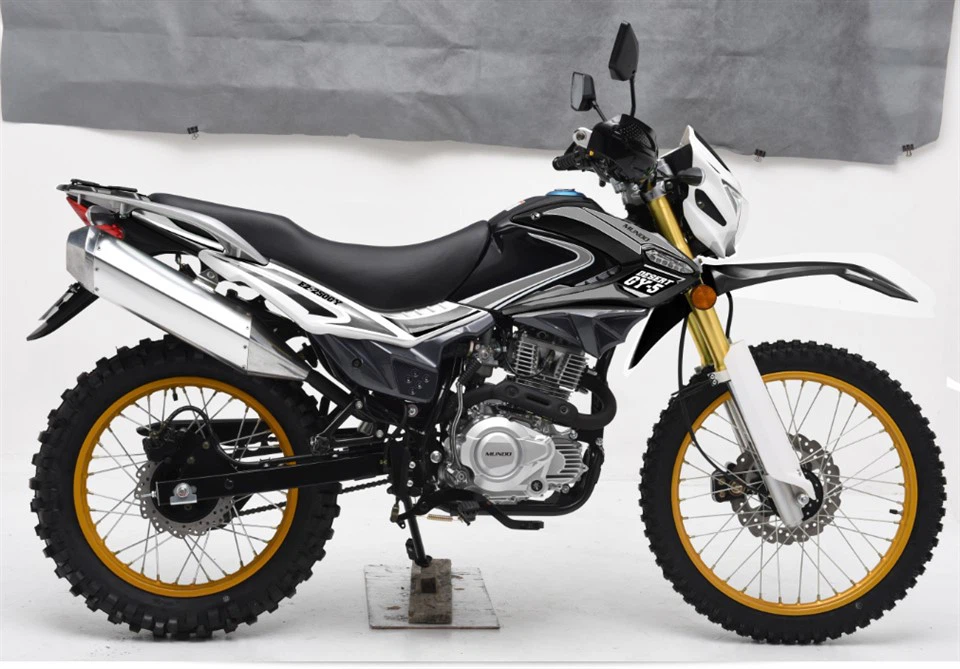
On the other hand, the F1 - 150 has a similar level of performance in terms of the processor and RAM. However, it lacks the same level of color accuracy in its display. This can lead to color discrepancies between what you see on the screen and the final printed or shared photo.
Real - World Use Cases
Many professional photographers and photo editors have already started using the A1 - 150 for their work. For example, portrait photographers find that the device's high - quality display allows them to accurately adjust skin tones and highlights in their portraits. Landscape photographers appreciate the fast processing speed, which enables them to quickly edit large - format landscape photos without waiting for long periods.
Amateur photographers also benefit from the A1 - 150. They can use it to learn basic photo - editing techniques and experiment with different styles. The user - friendly interface and the wide range of supported software make it easy for beginners to get started.
Limitations and Considerations
While the A1 - 150 is a great device for photo editing, it does have some limitations. For extremely large - scale commercial photo - editing projects that involve working with multiple high - resolution images simultaneously, a more powerful workstation might be required. However, for most individual photographers and small - to - medium - sized photo - editing businesses, the A1 - 150 is more than capable of meeting their needs.
Another consideration is the battery life. Photo editing can be a power - intensive task, and the A1 - 150's battery may not last as long as you would like during extended editing sessions. However, this can be mitigated by using the device while it is plugged in or by carrying a portable charger.
Conclusion
In conclusion, the A1 - 150 is indeed a viable option for photo editing. Its powerful hardware, high - quality display, and software compatibility make it suitable for both professional and amateur photographers. While it may have some limitations, these are outweighed by its many advantages.
If you are in the market for a device that can handle your photo - editing needs, I encourage you to consider the A1 - 150. Whether you are looking to enhance your photography skills or streamline your professional photo - editing workflow, this device can be a valuable addition to your toolkit.
If you are interested in learning more about the A1 - 150 or would like to discuss a potential purchase, please feel free to reach out. We are here to assist you in making an informed decision and ensuring that you get the most out of your photo - editing experience.
References
- "Photo Editing Basics: A Comprehensive Guide." Photography Magazine, 2023.
- "The Impact of Display Quality on Photo Editing." Tech Review Journal, 2022.
- "Comparing Graphics Processing Units for Photo Editing." Computing World, 2023.
